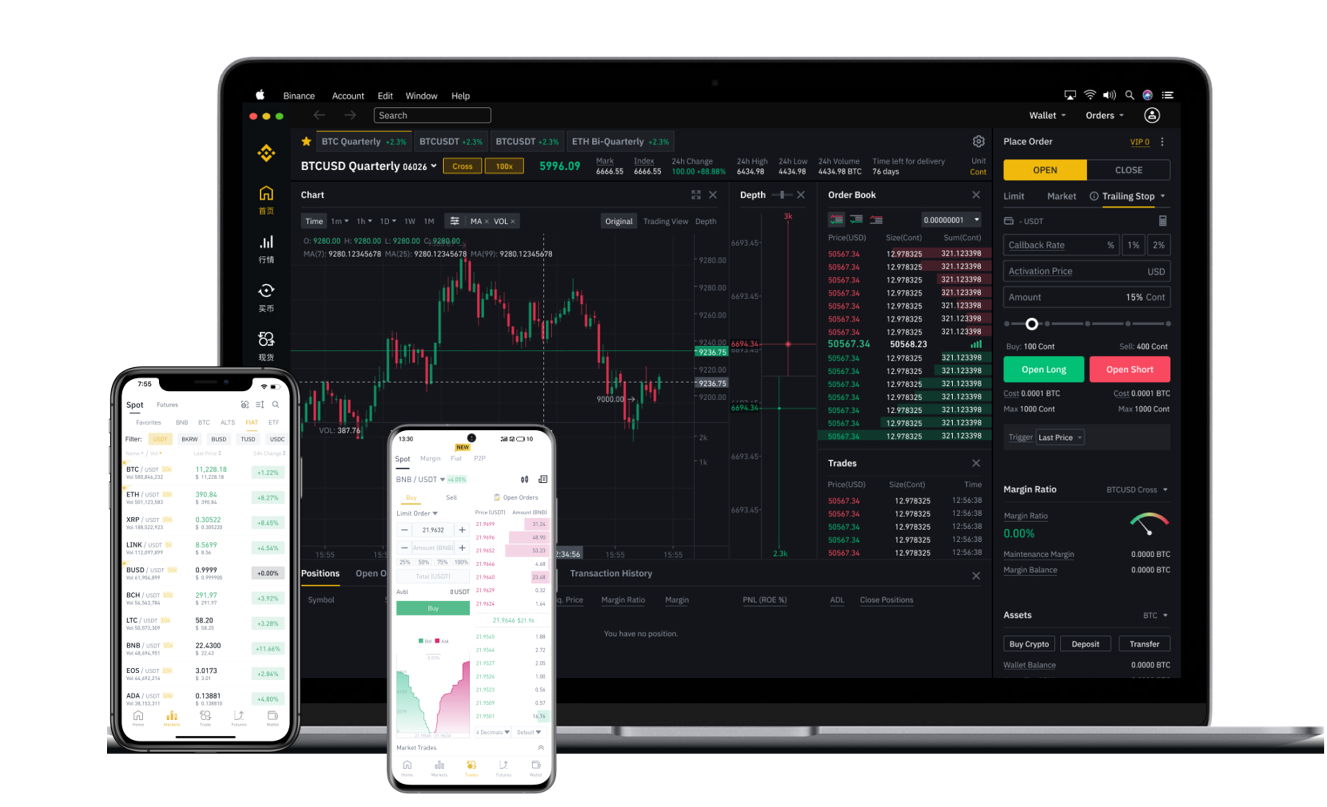
Is Binance Exchange Safe? A Comprehensive User Guide and Risk Review
In the ever-evolving world of cryptocurrency, Binance remains one of the most recognized and widely used digital asset exchanges globally. However, with its massive scale comes intense scrutiny, particularly from regulators and law enforcement agencies. The keyword “币安交易所别查怎么样” translates to a common user concern: “Will Binance exchange be investigated, and if so, what does that mean for me?” This article aims to provide a clear, unbiased review of the current state of Binance, focusing on safety, regulatory challenges, and practical user experiences.
First, it is essential to understand why Binance is a frequent target of investigations. As the largest exchange by trading volume, Binance operates in numerous jurisdictions. Regulatory bodies in countries like the United States, the United Kingdom, and Japan have expressed concerns about its compliance with local financial laws. In 2023, the U.S. Commodity Futures Trading Commission (CFTC) filed a civil enforcement action against Binance and its CEO, Changpeng Zhao, alleging violations of trading and derivatives regulations. Later, the U.S. Department of Justice also reached a historic settlement, resulting in significant fines and leadership changes. For users, this means the exchange is under constant regulatory pressure, but it has also demonstrated a willingness to settle and comply to continue operations.
From a user security perspective, Binance employs robust technical measures, including the Secure Asset Fund for Users (SAFU), which provides insurance coverage for user funds in extreme cases. The platform also offers advanced security features like two-factor authentication (2FA), withdrawal whitelists, and anti-phishing codes. However, the exchange has experienced past security breaches, most notably in 2019 when hackers stole approximately 7,000 BTC. Since then, Binance has significantly upgraded its infrastructure to prevent similar incidents. For the average trader, the platform remains highly functional, with deep liquidity and low trading fees, which are major advantages.
Critically, the term “别查” (don't investigate) reflects a fear among some users that government actions could freeze their assets or disrupt trading. While it is true that Binance has faced temporary withdrawal suspensions in certain regions (such as in the UK and Canada due to regulatory changes), the exchange generally provides advanced notice to users. Furthermore, Binance has launched country-specific regulated entities, such as Binance.US, to comply with local laws. This means that for most international users, normal trading and withdrawal functions are rarely interrupted by regulatory news.
Another key consideration is the Know Your Customer (KYC) policy. Binance now requires most users to complete identity verification to trade and withdraw funds. While this may seem intrusive to privacy advocates, it is a direct response to regulatory demands to prevent money laundering and terrorism financing. For users who value anonymity, this could be a negative aspect. However, for the vast majority of retail investors, this process is standard across all major exchanges and actually adds a layer of account protection.
In conclusion, the answer to whether Binance is “under investigation” is yes—it is a constant, ongoing process for any dominant player in the crypto space. But the more practical question for a user is: “Is it safe to use Binance right now?” Based on the current evidence, Binance remains a viable option for crypto trading, provided you are comfortable with regulatory oversight and have completed the necessary KYC procedures. The platform’s security infrastructure, liquidity, and continued adaptation to global laws make it a resilient choice. However, no exchange is 100% risk-free. It is always wise to diversify holdings across different wallets and not keep excessive funds on any single exchange. Ultimately, Binance’s journey through regulatory hurdles is a sign that the crypto industry is maturing, and being on a compliant, albeit scrutinized, platform may be safer than using unregulated or smaller alternatives.