Binance Deposit & Withdrawal: Which Apps & Methods Work Best in 2025?

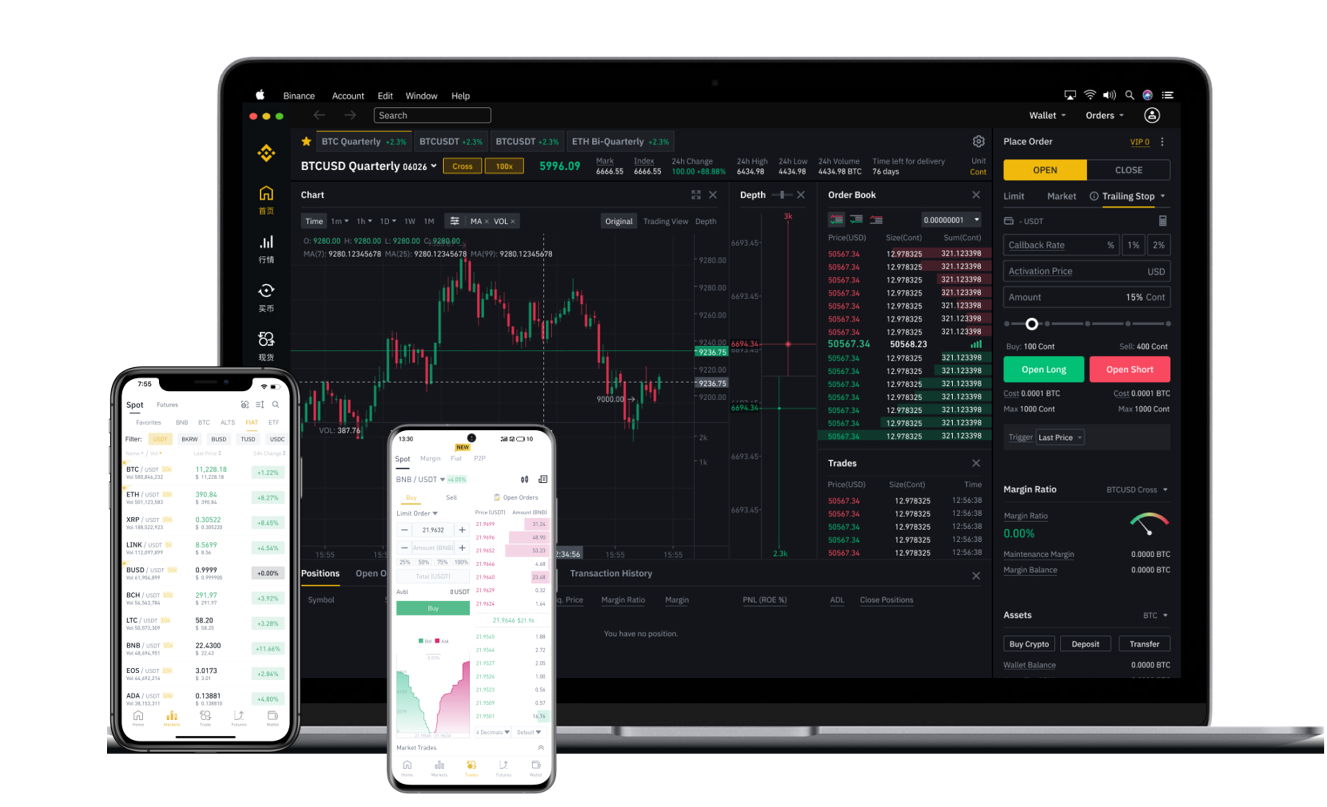
When users search for "币安出入金是什么app," they are typically looking for a specific application that facilitates moving funds into and out of the Binance cryptocurrency exchange. The short answer is that there is no single "Binance Deposit & Withdrawal App." Instead, Binance operates as a platform itself, and the process of depositing and withdrawing funds (also known as on-ramping and off-ramping) depends on a combination of integrated third-party services, peer-to-peer trading tools, and external wallet applications.
To understand how to deposit or withdraw funds from Binance effectively, you must first distinguish between two primary methods: converting fiat currency (like USD or EUR) and transferring crypto assets. For fiat currency transactions, Binance does not maintain its own bank. Instead, it partners with third-party payment processors. Within the Binance mobile app, you will find a section labeled "Buy Crypto" or "Sell Crypto." This service is powered by partners like MoonPay, Simplex, Banxa, or Mercuryo. These are the actual "apps" or services that handle the transaction. For example, if a user is in the United States, they might link their bank account through the Binance app, but the transaction is processed by a regulated partner. Therefore, the "app" the user is asking about is often the Binance app itself, combined with a linked bank account or a credit/debit card.
The most common method for peer-to-peer (P2P) users, especially in regions like Asia, Latin America, and Europe, is the Binance P2P marketplace. This is not a separate app; it is a feature within the main Binance app. Here, users act as their own bank. You browse listings from other users who are selling USDT for your local currency (e.g., using a local bank transfer app like GCash, PayNow, Pix, or SEPA transfers). The "app" in this context is the payment app you use to send money to the seller. So, if a user in Brazil asks for a "币安出入金app," the answer is often the Binance app for the crypto side, and the local Brazilian payment app (like Pix) for the money side. This distinction is critical for search engine users looking for practical steps.
For withdrawals, the process reverses. If you want to move crypto out of Binance to a personal wallet (like Trust Wallet, MetaMask, or Trezor Suite), you do not need a third-party "deposit app." You simply use the "Withdraw" function within the Binance app, enter the recipient wallet address, and pay a network fee. However, if you want to convert your crypto back to cash in your bank account, you must use the same "Sell Crypto" feature (powered by partners) or the P2P market. So, the applications involved are: 1) The Binance app (the hub), 2) Your chosen external crypto wallet (if moving crypto), and 3) A supported payment app or bank app (for cash conversion).
A growing trend in 2024 and 2025 is the use of "Crypto Debit Cards." Binance offers its own Visa debit card in supported countries. This card acts as a direct bridge. Users load USDT or BNB onto the card within the Binance app, and then spend the card physically or online. In this scenario, the "app" is simply the virtual card interface within Binance, which function as a spending tool rather than a strict deposit/withdrawal tool.
Finally, it is important to address security and regulatory differences. The apps you can use to deposit cash into Binance vary drastically by country. For instance, in the European Union, users often use SEPA bank transfers directly from their banking app. In the UK, Faster Payments is common. In Southeast Asia, users rely on local e-wallets. There is no universal "币安出入金app." The correct methodology is to open the Binance app, navigate to "Buy Crypto" or "P2P Trading," and select your currency. The app will then present you with the specific, regionally available payment options. Therefore, the best answer from an SEO and user perspective is to explain that the "app" is a combination of the Binance platform and your local financial service providers.