How to Use Binance Exchange: A Step-by-Step Guide for Beginners

Binance is one of the largest and most widely used cryptocurrency exchanges in the world. Whether you are new to crypto or an experienced trader, understanding how to use Binance correctly is crucial for security and efficiency. This guide will walk you through the essential steps to start using Binance, from account creation to making your first trade.
First, you need to create a Binance account. Visit the official Binance website and click on the "Register" button. You will be asked to provide an email address or phone number and set a strong password. After registering, you must complete the email or SMS verification. For full access to all features, including higher withdrawal limits, you will also need to go through the Identity Verification (KYC) process. This involves uploading a government-issued ID and a selfie. Without KYC, your account functionality will be limited.
Once your account is set up, the next step is to deposit funds. Binance supports both fiat currency (like USD, EUR, or GBP) and cryptocurrency deposits. To deposit crypto, navigate to the "Wallet" section, click on "Deposit," and select the cryptocurrency you want to deposit. You will receive a deposit address. Simply send your crypto from another wallet or exchange to this address. For fiat deposits, you can use bank transfers, credit or debit cards, or third-party payment services. Be aware that fees and processing times vary depending on your chosen method.
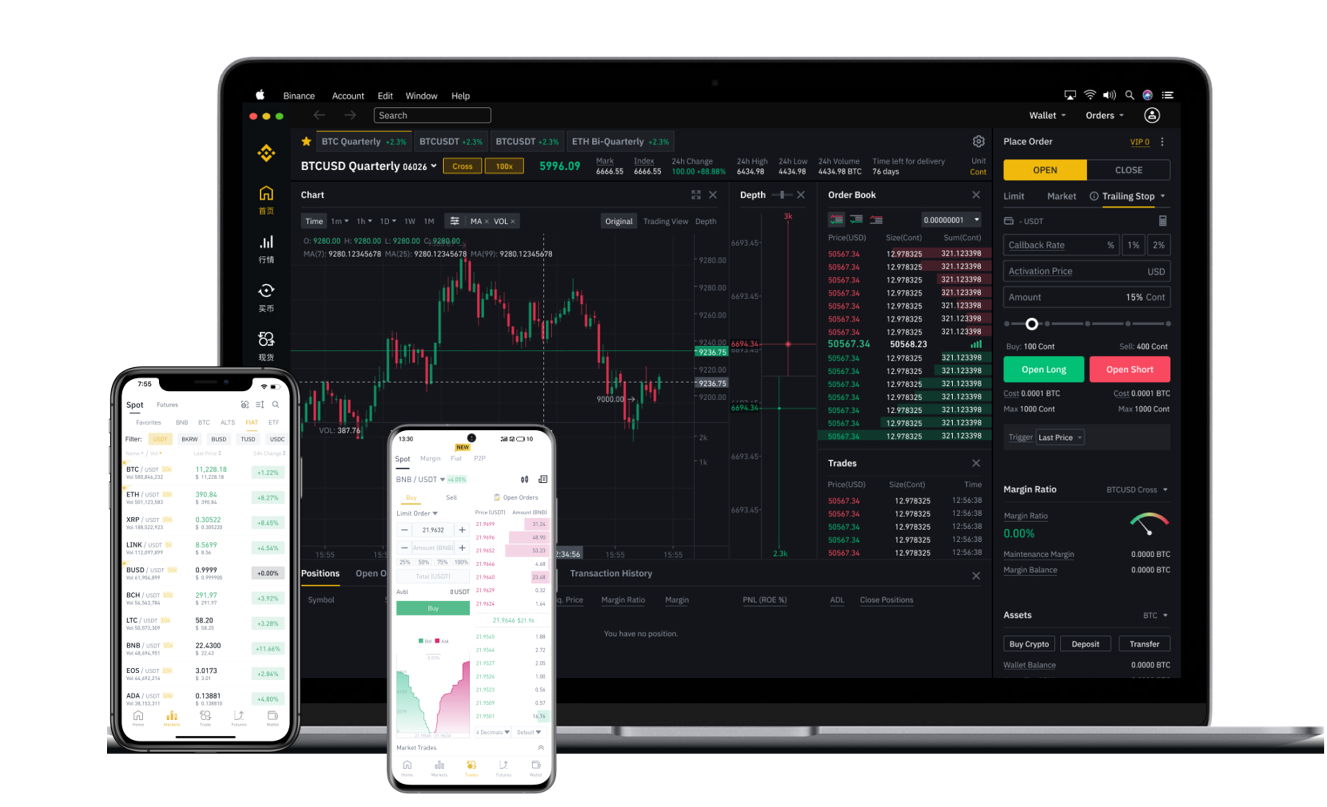
After funding your account, you are ready to trade. Binance offers several trading modes, including the classic "Exchange" interface, "Convert" for instant swaps, and "Margin" or "Futures" for advanced traders. For beginners, the "Convert" feature is the simplest—you select the coin you want to sell, the coin you want to buy, and the amount, then confirm the trade. For more control, use the "Classic" or "Advanced" trading view. Here, you can place limit orders (buy/sell at a specific price) or market orders (buy/sell at the current best price). Always pay attention to the trading pair, the order book, and the trading fees (which are reduced if you hold Binance's native token, BNB).
Security should be your top priority. Binance offers several security features. First, enable Two-Factor Authentication (2FA) via Google Authenticator or SMS. Second, add your trusted wallet addresses to the "Whitelist" so that withdrawals can only go to those addresses. Third, use the "Anti-Phishing Code" feature to identify legitimate emails from Binance. Finally, never share your login credentials or API keys with anyone. If you plan to store large amounts of crypto long-term, consider moving them to a hardware wallet rather than leaving them on the exchange.
Another key feature of Binance is its "Earn" section. Under the "Earn" tab, you can stake certain cryptocurrencies for passive income, participate in savings accounts with flexible or fixed terms, or join liquidity pools. These products carry different levels of risk and lock-up periods, so read the terms carefully before committing your funds.
If you ever need help, Binance provides a comprehensive "Support Center" with FAQs, guides, and a live chat option. You can also find community support on forums and social media. However, be cautious of scammers impersonating Binance support—official support will never ask for your password or 2FA code.
To summarize, using Binance involves registration with KYC, depositing funds, choosing your trading method, and securing your account. Whether you are buying your first Bitcoin or exploring DeFi products, always start with small amounts to test the process. With proper security habits and a clear understanding of the interface, Binance can be a powerful tool for your cryptocurrency journey.